Why Matcha Tastes Bitter: Causes and What Helps
Why does matcha taste bitter? Check water temperature, powder amount, storage and sifting. Tips for plain matcha and lattes.
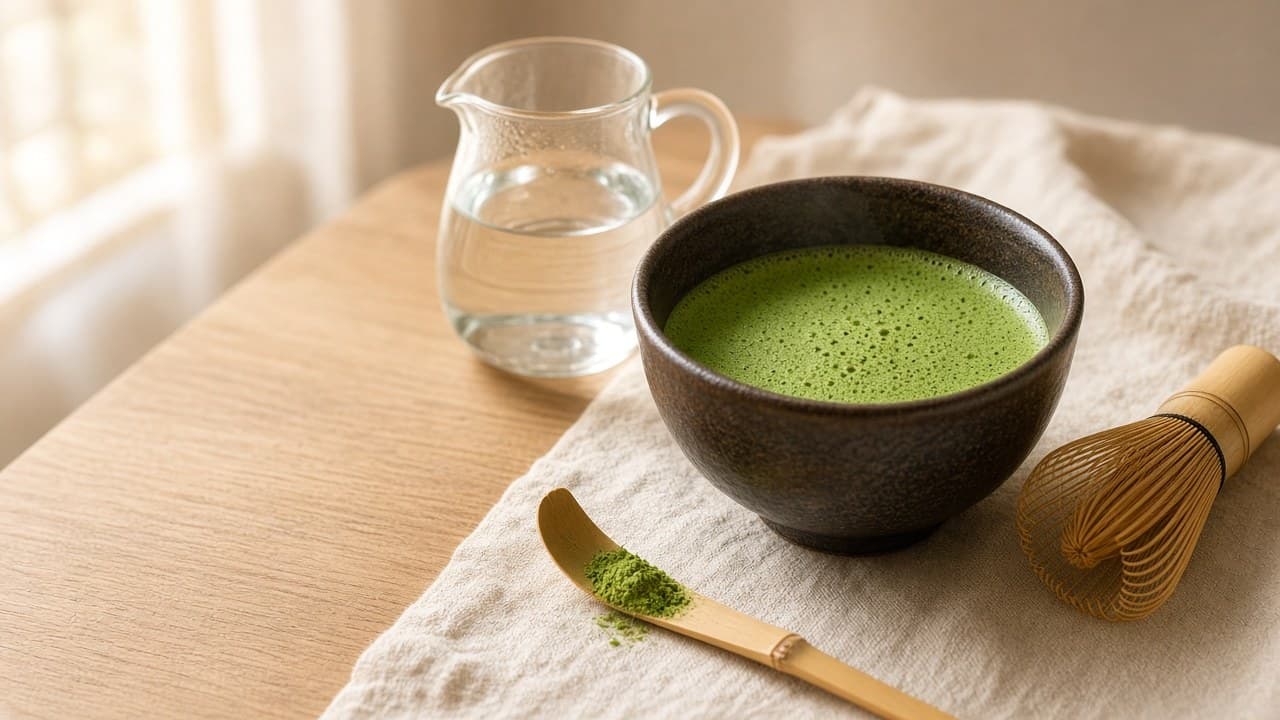
If your matcha tastes bitter, check the water temperature, the amount of powder and how you store it. Sifting and whisking also help you avoid lumps. A good starting point is water at 70 to 80 °C, not boiling, about 2 g of powder to 70 ml, and a tightly closed pack. Change only one thing at a time, then you can see what made the difference.
Understanding bitterness: umami, bitter notes and astringency
Before you adjust your preparation, it is worth looking closely at what you are actually tasting. Three impressions often get lumped together:
- Bitterness is a basic taste, similar to very dark chocolate or grapefruit. It comes from the bitter compounds in the tea leaf and can stand out more the hotter the water is and the more powder you use.
- Astringency is not a taste but a feeling: your mouth goes dry and furry, as if you had bitten into an unripe apple. Tannins cause it.
- Umami is the savoury, almost brothy taste that reminds you of vegetable stock or seaweed.
Matcha can have sweetish, savoury, green and bitter notes. How clearly they come through depends on the powder and the preparation; taste alone does not set a quality grade. So is high-quality matcha always bitter? No, not necessarily. If the bitterness bothers you, first check your preparation and the condition of the powder before you draw conclusions from the price.
How strong the astringency is does not depend on the preparation alone. In a laboratory study on matcha from two Chinese tea cultivars (2025), the cultivar, that is the bred variety of the tea plant, was the most important factor for astringency; processing had a smaller influence [1]. Two powders can therefore taste differently astringent with the same preparation.
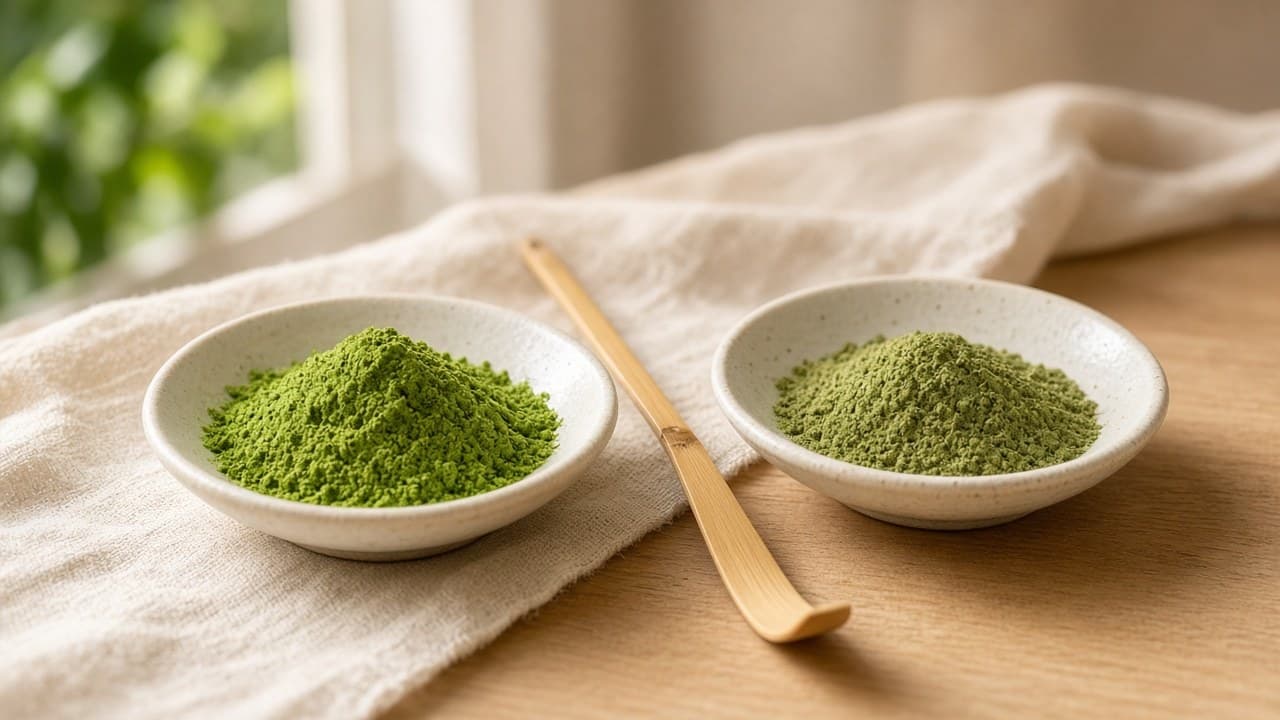
Is your matcha gritty? Sifting and thorough whisking help reduce lumps and distribute the powder evenly. The mouthfeel can differ from powder to powder. Compare the taste descriptions of the individual varieties; price alone does not tell you which one you will like.
Water temperature and amount
Boiling water can make bitter compounds and tannins stand out more, and because you drink the whole leaf, everything ends up in the bowl. 70 to 80 °C, not boiling, is the usual range. The "80 °C" rule is therefore not a wrong rule, but it is not a law either: it marks the upper end of the usual range. If your matcha is too bitter at 80 °C, try about 75 °C. That is also our recommended starting point. Without a thermometer: boil, pour into another vessel, let it cool briefly; for exact values a thermometer helps.
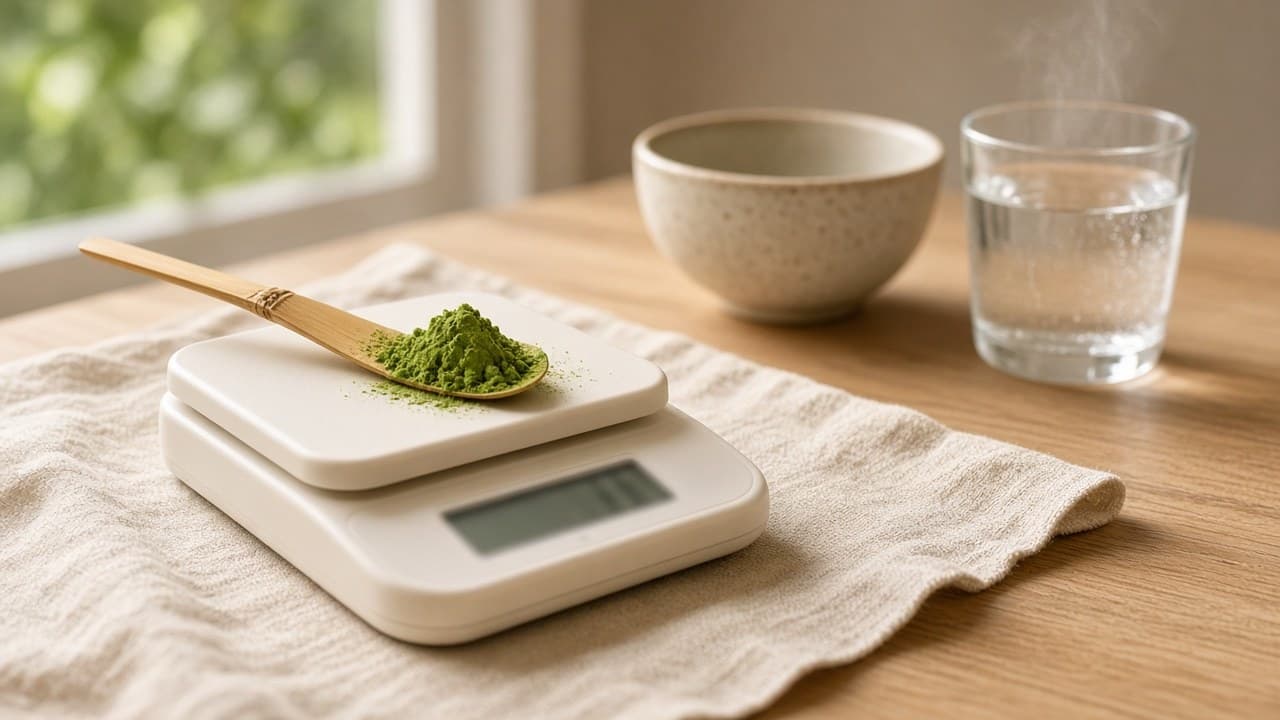
The second point is the ratio of powder to water. For thin matcha (Usucha), 1 to 2 g to 60 to 80 ml is usual. Our recommended starting amounts are 2 g to 70 ml of water at about 75 °C. If you use substantially more powder for the same amount of water, the bowl gets denser and more bitter. For thick matcha (Koicha), 3 to 4 g to 30 to 40 ml is usual; that gives a denser drink. Spoons are not a reliable unit of measure because they vary. Weigh 2 g once on a precision scale and note how much that is with your spoon.
Why do some people like matcha better over ice than hot? If you like matcha better over ice, you can stay with that preparation. For a warm comparison, make the base with water at about 75 °C and use the same amounts.
First bowl too bitter? Check the water first (cooled down?) and the amount (weighed?), then the powder.
Powder, age and storage
If temperature and amount are right and it still tastes bitter, take a look at the powder. Matcha is ground very fine. Air, light, heat and moisture can change the taste; keep the pack tightly closed, cool and dark. Even a powder you liked at first can taste different after a longer time stored open.
What you can look out for:
- Colour: Colour alone proves neither freshness nor picking time, and it tells you nothing about whether you can still use the powder.
- Smell: If your matcha smells musty, is damp or clumped and wet, or you see mould, throw it away. Do not use it for cooking or baking either.
- Texture: Hard, damp lumps are a warning sign.
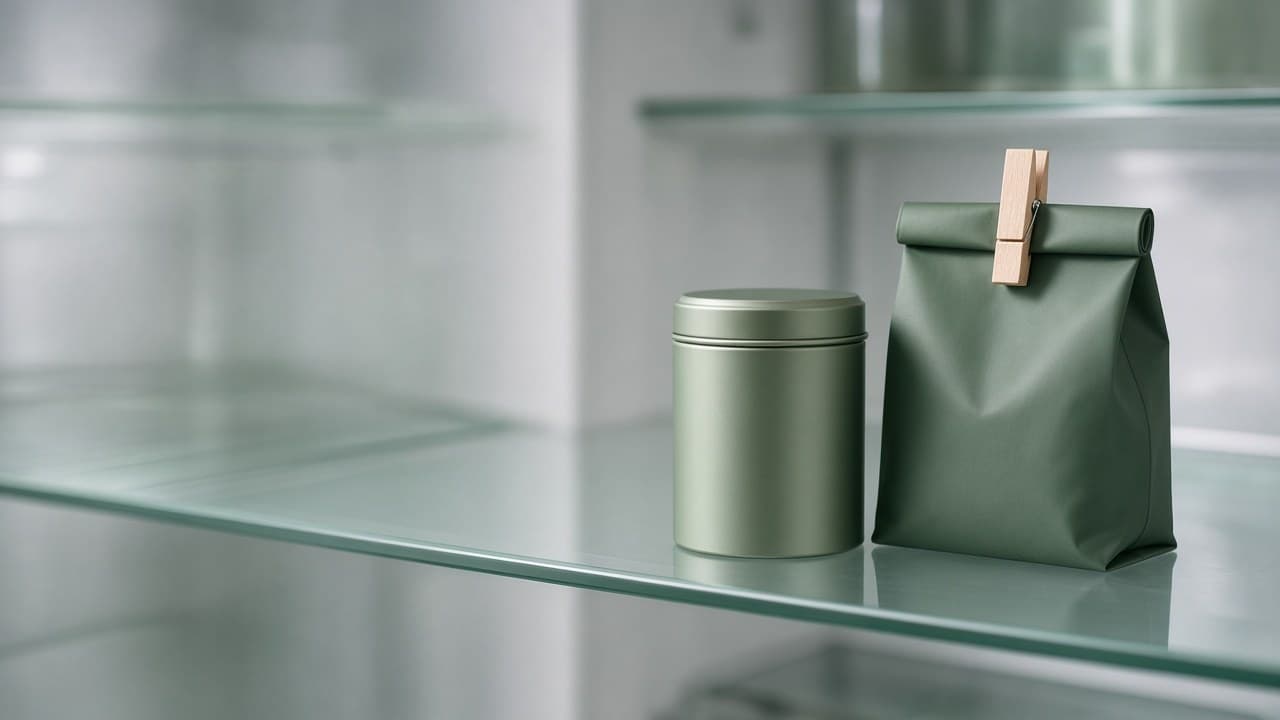
Storage: close the pack tightly after every use, keep it dark and cool, and ideally use it up within a few weeks of opening. If you store it in the fridge, let the closed pack come to room temperature before opening. Otherwise condensation forms on the cold powder.
If several varieties suddenly taste different, check for changes in water, dosage, preparation and storage that affect all of them: for example a new kettle without temperature selection, different water, a spoon that holds more, or a worn-out Chasen.
Even branded products can taste strangely bitter. Compare the best-before date and batch, and try a freshly opened pack with slightly cooler water before you write the variety off. If the matcha stays bitter with the right temperature, a weighed amount and a fresh pack, the powder may simply not suit your taste or your preparation. A powder that is too bitter for you plain can still taste good in a latte.
Sifting and whisking
Unsifted matcha forms lumps easily. If you bite into one while drinking, you get a small load of pure powder that can taste bitter and scratchy, even if the rest of the bowl is fine.
Here is how to go about it:
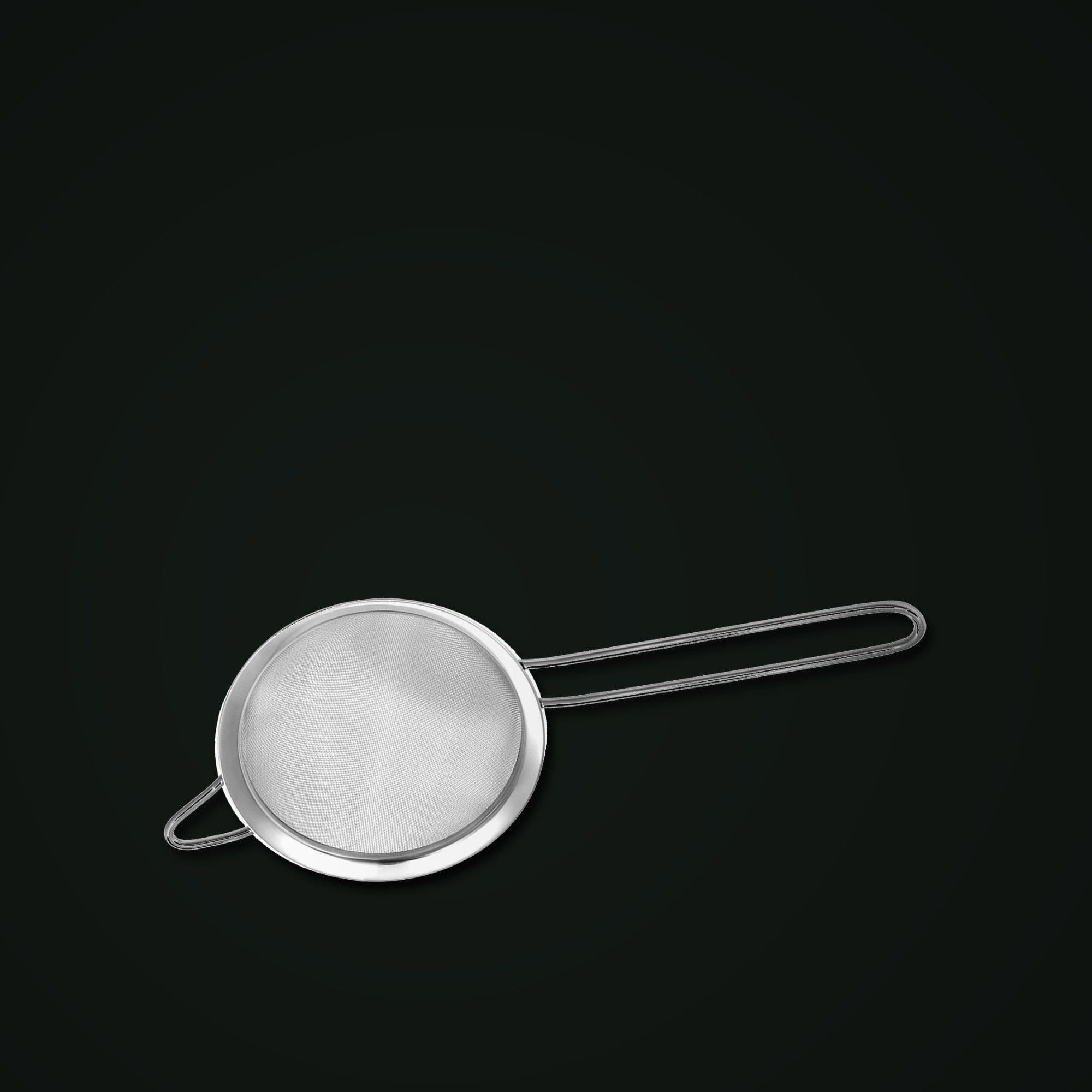
- Put 2 g of powder in a fine sieve over the bowl and gently sweep it through with the Chashaku or the back of a spoon, with circular movements, without pressing.
- Pour in 70 ml of water at about 75 °C. If you like, first mix the powder into a smooth paste with very little water and then top up.
- Whisk loosely from the wrist with the Chasen in W or zigzag movements, for about 15 to 30 seconds, until fine foam forms. Finally, move the whisk slowly along the surface so that large bubbles break up.
Sifting and whisking help break up lumps and distribute the powder evenly. Fine foam changes the mouthfeel. Because powder can settle at the bottom, swirl the bowl briefly now and then.
The speed and duration of stirring also play a part. In a study with a laboratory stirrer, not a Chasen, bitterness and astringency were more pronounced with slow and short stirring than with the other settings tested (2024) [2]. This cannot be transferred directly to the bamboo whisk.
Not sure you are preparing it correctly? Go through the list: sifted, 2 g weighed, water at about 75 °C, whisked vigorously, foam present. If these points are right, compare powder and storage next. For more on grams, millilitres and temperature, see the guide Matcha Ratio, Amount and Water Temperature.
Sweetening and milk as a way out
Does milk, syrup or ice help reduce bitterness? You can try all three.
Milk: With milk, the bitterness can come through less clearly; try it and see whether you like matcha better as a latte. Our recommended starting amounts: whisk 2 g of sifted powder with 30 ml of water at about 75 °C to a fine foam and top up with 200 ml of milk or oat drink, warm or over ice. If your latte is still always too bitter, check three things: Was the water for the base too hot? Did you use substantially more than 2 g? Is the powder old or stored open? If the latte tastes of nothing instead, use a little less milk or a little more powder.
Syrup or sugar: A little syrup or sugar can help you adjust the taste to your liking. Add a small spoon of syrup, honey or sugar to the warm base before the milk goes in. If you want it less sweet, try an oat drink whose taste you like.
Ice: Try the same base warm and over ice and compare which version you like better.
Do you dislike sweetened matcha but find it too bitter plain? Then stay with the plain bowl and change the parameters: slightly cooler water within the usual range, a little less powder (1 to 2 g is usual), well sifted, whisked vigorously, or try a different variety. Or drink a latte without any sweetness.
And the taste from the café? For a latte at home you can use our recommended starting amounts and choose milk and sweetness to your taste.
Getting used to matcha's taste
Do you have to get used to matcha? That varies: some people like it right away, some only after a few tries, some never, and that is fine too.
If you want to give it a fair chance, you can proceed like this:
- Start with the latte. With milk and a little sweetness, the taste can be easier to like. Our recommended starting amounts: 2 g, 30 ml of water, 200 ml of milk or oat drink, over ice or warm. If you like, sweeten lightly.
- Less sweetness step by step. After a few glasses, leave out the syrup. Then use less milk.
- Only then plain. Slightly cooler water within the usual range, well sifted, whisked vigorously. Notice which notes you taste at the start and which at the end.
- Compare. Try two powders side by side, prepared the same way. Differences stand out more clearly in a direct comparison.
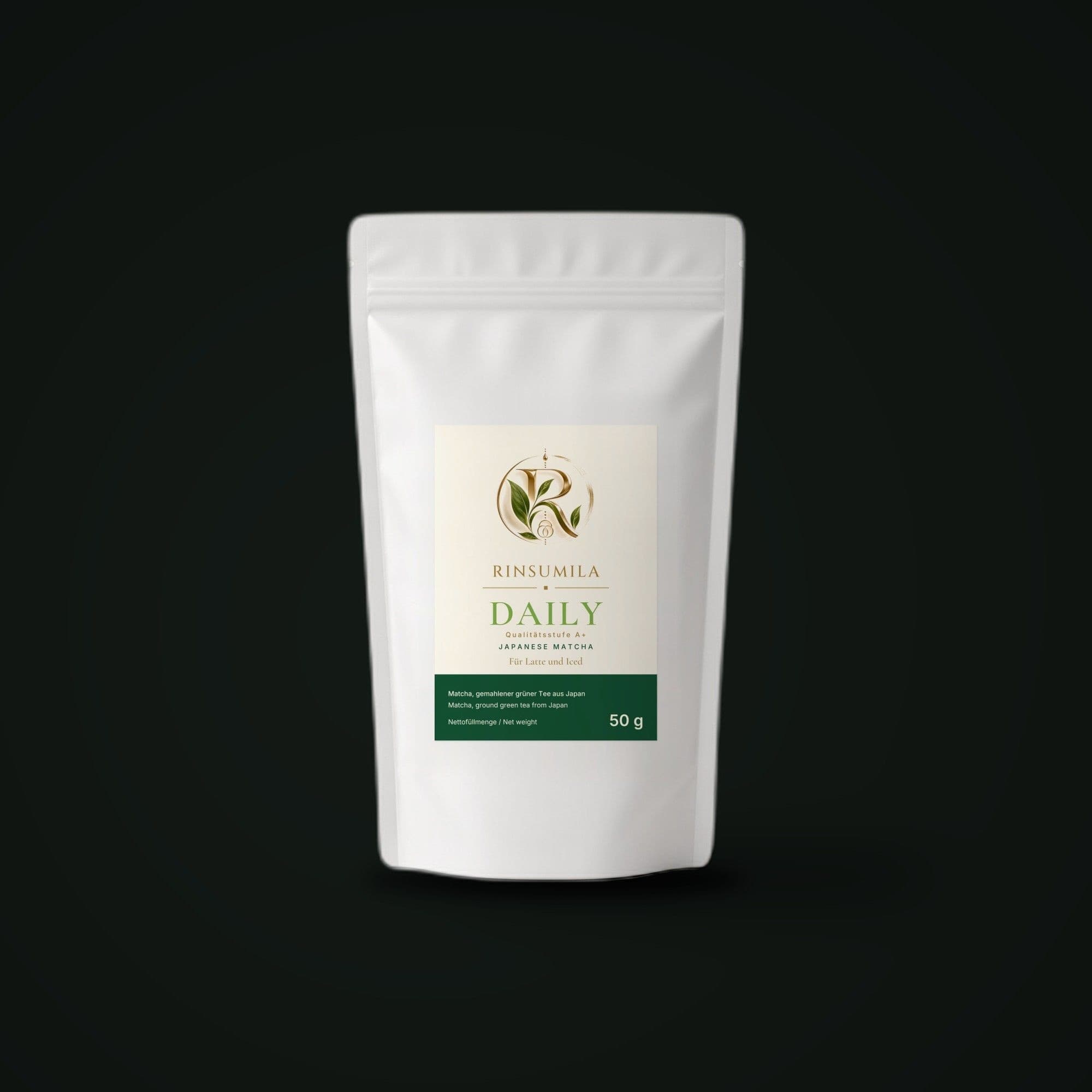
If you only drink matcha as a latte or only sweetened, you are not drinking it wrong. The plain bowl is one preparation among several, not the only right one. You do not have to feel like an impostor if plain matcha leaves you cold but you love it with oat drink. RINSUMILA DAILY is made for exactly this path: no bitterness in the taste, for lattes and iced lattes, and if you like, plain with water too.
Frequently asked questions
Where can I find strong, bitter matcha?
Ask in tea shops or specialised online shops for matcha with an expressly strong, bitter taste profile. Prepare it at the upper end of the usual range of 70 to 80 °C and drink it plain, without milk and sweetener.
Should matcha taste bitter?
Matcha can have sweetish, savoury, green and bitter notes. How clearly they come through depends on the powder and the preparation; taste alone does not set a quality grade. If the bitterness bothers you, check water temperature, powder amount and storage.
How do I reduce bitterness and astringency?
Try water at the lower end of the usual range of 70 to 80 °C, less powder (1 to 2 g to 60 to 80 ml) and powder stored in a tightly closed pack. For astringency, the dry, furry feeling, you can try milk: with milk, the bitterness can come through less clearly. Sifting and whisking help reduce bitter lumps.
My matcha is bitter: what is the most common cause?
There is no proven ranking of causes. Check water temperature, powder amount and storage. Sifting and whisking also help you avoid lumps. Change only one thing at a time, then you know what helped.
Is very bitter matcha a sign of poor quality?
Not necessarily. Even good powder can taste bitter with boiling water or in too high an amount. If the bowl stays too bitter for you despite the right temperature, amount, storage and sifting, try the powder in a latte or compare a different variety.
Sources
- Xue J, Liu P, Xu Y, Gui A, Wang X, Ye F, Feng L, Wang S, Teng J, Gao S, Zheng P (2025): Laboratory study on the astringency of matcha from two cultivars; used for the comparison of cultivar and processing. Food Research International 204:115954. DOI: 10.1016/j.foodres.2025.115954.
- Li S, Tian H, Zhu G, Wei Z (2024): Laboratory study on how stirring speed and stirring duration influence the aroma and taste of matcha; used for the tasting results. Current Research in Food Science 9:100843. DOI: 10.1016/j.crfs.2024.100843.
Related products
Related recipes
More guides